
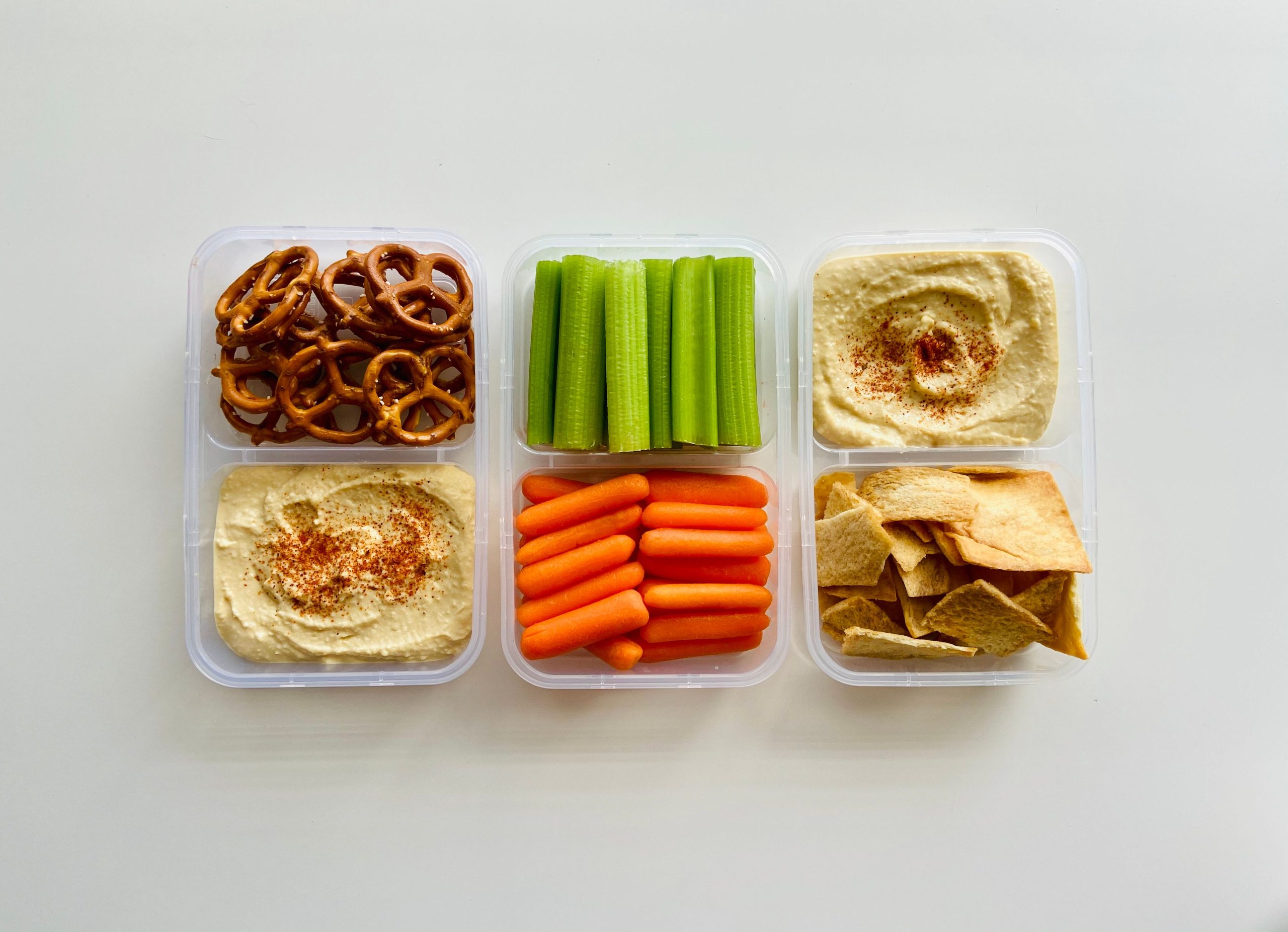
Summer is winding down, and school is almost back in session. This year, the biggest change isn’t in the classroom; it’s in the cafeteria. A new federal law now gives schools more flexibility to serve nutritionally equivalent plant-based milks and lets parents request a non-dairy option for their kids. With roughly 30 million students in the National School Lunch Program, this is a meaningful step forward.
California led the way when it became the first state to fund plant-based school meals, investing $100 million to expand plant-based options in cafeterias, $600 million more in kitchen upgrades, and staff training to make them possible.
These are really exciting changes that will have a big impact on saving animal lives. Here are our favorite ways to make an impact this school year.
The Plant-Based Lunchbox
Lunches can be a tricky thing to manage, especially with the lack of plant-based cafeteria options in most schools. Keep it simple. Here are a few grab-and-go ideas kids actually eat:
- Sunbutter and jelly roll-ups with apple slices
- Hummus, pita, and veggie sticks
- “Snack box” lunch: crackers, sliced cucumbers, grapes, roasted chickpeas, and a handful of pretzels
- Bean and rice burritos (make a batch Sunday, freeze, done)
Already have a lunch process that works? Try a few easy swaps instead: swap the turkey sandwich for chickpea “chicken” salad, the string cheese for a dairy-free version, or the yogurt tube for a plant-based one.
You don’t have to be perfect. One plant-based lunch a week is a real win. Two is even better. Start where you are and save animal lives.
The Grocery List
Screenshot this for the next time you head to the grocery store:
- Pantry: peanut or sunflower butter, jelly, whole grain bread and tortillas, pasta, canned beans, lentils, rice, crackers, salsa
- Produce: apples, grapes, bananas, baby carrots, cucumbers, cherry tomatoes, bell peppers, avocados
- Freezer: frozen burritos, veggie nuggets, plant-based burger patties, frozen stir-fry vegetables, edamame
- Snacks & swaps: plant-based yogurt, dairy-free cheese, hummus, oat or soy milk, granola bars, applesauce pouches
Meatless Weeknights
Dinner is another easy place to make a difference. You don’t need a complete overhaul, just try a night or two. Meatless Monday. Taco Tuesday, but make it lentils. Whatever fits your family.
A few 30-minute-or-less ideas to get you started:
- Lentil tacos with all the toppings
- Black bean quesadillas with a side of guac
- Crispy baked tofu nuggets with dipping sauces
- Weeknight stir-fry with tofu or edamame
Here’s the math that makes it worth it: one meatless dinner a week for a family of four adds up to more than 200 plant-based meals over a single school year. That’s dozens of animals, most of them chickens, just like the ones who live here at the sanctuary, who never end up on a plate. That’s a small habit that has a big impact. Looking for dinner inspiration? Browse some plant-based recipes.
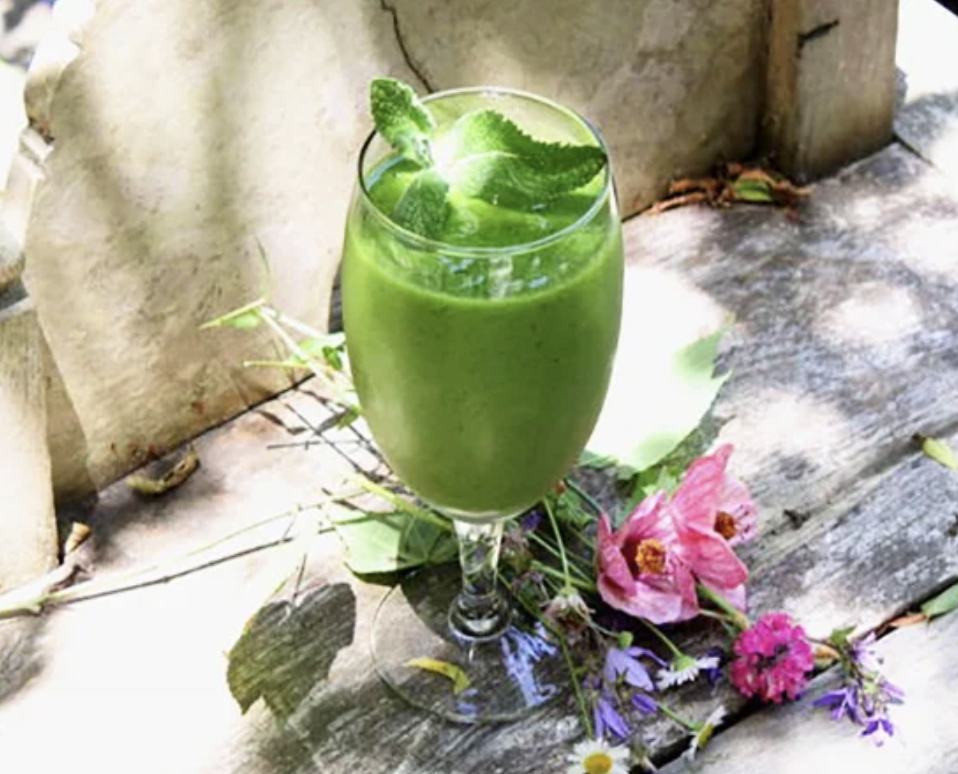
Mornings are the hardest part of the school year, so here’s one that takes two minutes: Chef Lisa’s Tropical Green Smoothie, courtesy of our Food for Thought program. Blend, pour, out the door.
The Real Report Card
While you’re checking grades this fall, here’s one more report card worth a look: your local animal shelters.
Through our Food for Thought program, we evaluate animal shelters and rescues across the country on their food policies, because an organization dedicated to protecting dogs and cats shouldn’t be serving pigs and chickens at its fundraisers. Shelters earn top marks for adopting animal-free menu policies at their events.
See how your local shelter scores in our Food for Thought report card.
If your shelter hasn’t made the grade yet, don’t write them off; reach out. A kind email from a supporter asking about a plant-based event policy goes further than you’d think, and our Food for Thought team has resources to help organizations make the switch.
Some Lessons Don’t Come from a Textbook
A visit to our Grass Valley sanctuary gives kids the chance to meet rescued farmed animals face to face and leave with a new perspective.
On a guided tour, kids might cuddle Ripley the sheep, say hello to Duncan at the fence line, and watch Chia take a dust bath in the afternoon sun. Meeting a rescued farmed animal turns an abstract idea into a friendship, and there’s no better teacher than that.
Guided tours are perfect for families, homeschool groups, and classrooms alike. Teachers, we’d love to host your class. Email us at [email protected] for more information.
Your Easiest “A” This Year
No perfection required, just a few new habits: a plant-based lunch here, a meatless Monday there, maybe a Saturday at the sanctuary. It’s the same lesson our rescued residents teach every visitor: that change doesn’t require perfection, just people willing to start.
